
The Psychological Power of an Organized Space: Enhancing Mental Health Through Order
In the intricate dance between our environments and our minds, the state of our living spaces can play a crucial role in shaping our mental health and highlights the relationship between environment and emotional wellbeing. A cluttered, chaotic home or workspace isn’t just an eyesore; it can also be a significant source of stress, distraction, and even low mood. Conversely, an organized space can lift our spirits, boost our productivity, and create a sense of calm and control. Understanding the psychological benefits of organization can help us harness its power to enhance clutter and mental health and our mental well-being.
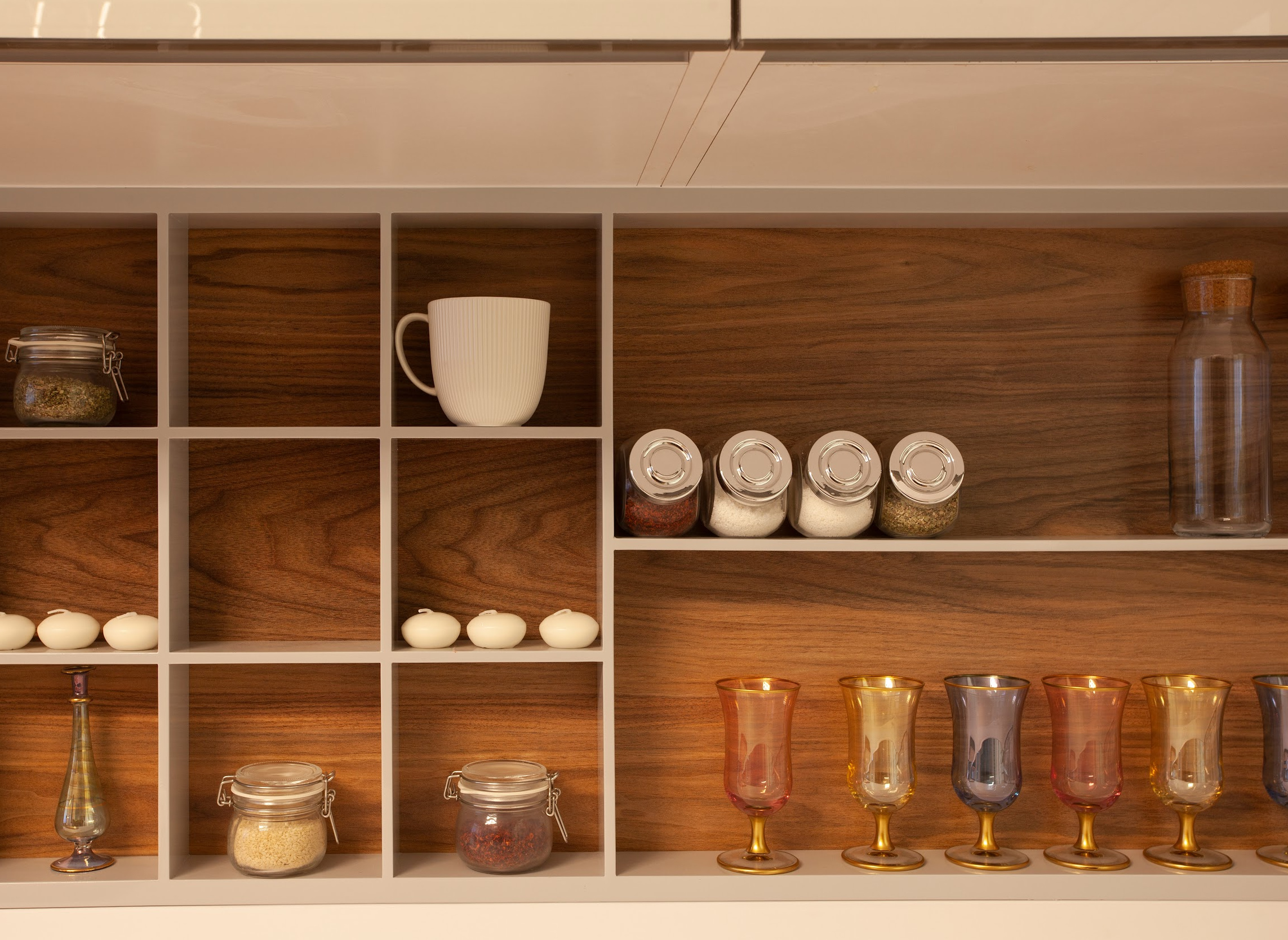
The Impact of Clutter on Mental Health
Clutter is more than just physical stuff—it’s visual noise. In a cluttered space, the brain must work overtime to filter through the chaos, which can lead to feelings of anxiety, overwhelm, and exhaustion, highlighting the psychological power of tidy environments. This sensory overload prevents the mind from relaxing, constantly reminding us of unfinished tasks and decisions waiting to be made. Research by Princeton University neuroscientists found that physical clutter in your surroundings competes for your attention, resulting in decreased performance and increased stress (McMains, S., & Kastner, S., 2011).
Benefits of an Organized Space
- Reduced Stress and Anxiety: An organized space can significantly decrease the levels of stress and anxiety in your daily life, highlighting the benefits of decluttering for anxiety and depression. A study published in the Personality and Social Psychology Bulletin found that people with cluttered homes were more likely to report elevated levels of stress and depressed mood (Saxbe, D. E., & Repetti, R., 2010).
- Enhanced Focus and Productivity: Without the distraction of clutter, the mind can focus more easily on the task at hand. This streamlined focus leads to higher productivity, whether you’re working, studying, or engaging in a hobby.
- Improved Sleep Quality: The state of your sleeping environment has a direct impact on your ability to relax and get quality sleep. A clean and organized bedroom free of distractions promotes a peaceful mind and can improve your sleep patterns, contributing to better overall health.
- Increased Creativity: A decluttered space provides a mental clarity that fosters creativity. Without the mental burden of disorganization, you have the freedom to think more openly and innovatively.
- Sense of Mastery and Control: Organizing your space can give you a sense of control over your environment, which is particularly empowering during times of stress or uncertainty. This control can boost your self-esteem and overall mental well-being.
Practical Tips for Creating an Organized Space
- Start Small: Begin with a single drawer, shelf, or corner. Small victories can motivate you to tackle larger areas.
- Implement Systems: Create easy-to-follow systems that help maintain order. Use labels, dividers, and clear storage containers to establish a place for everything.
- Regular Decluttering: Make it a habit to periodically review and declutter your spaces. A good rule of thumb is if you haven’t used an item in a year, consider donating or discarding it.
- Designate Zones: Assign specific areas for different activities. This can help in maintaining order and making it easier to keep track of your belongings.
- Seek Professional Help if Needed: For those overwhelmed by the task of organizing, professional organizers can provide expertise and motivation to transform your space.
The Bigger Picture
An organized space does more than just ease the eye—it soothes the mind, showing why an ordered space can support mental wellness. By investing time and effort into creating a more orderly environment, you are also investing in your mental health and well-being. As we navigate the complexities of modern life, the sanctuary of an organized home can provide a much-needed respite for our busy minds, fostering a healthier, happier life.
Explore the art of mindful living by reading our feature in Apartment Guide! Discover practical tips and inspiring insights to enhance your daily routine. Check out the full article here!
Frequently Asked Questions
Q. Does clutter affect mental health?
A: Yes, clutter can negatively affect mental health by increasing stress, anxiety, and difficulty focusing. It disrupts the relationship between environment and emotional wellbeing, making it harder to relax, stay productive, and maintain a sense of control in daily life.
Q. How does organization affect mental health?
A: Organization positively affects mental health by reducing stress, improving focus, and creating a sense of control. It highlights the psychological power of tidy environments, helping individuals feel calmer, more productive, and better able to manage daily responsibilities.
Q. Can decluttering reduce anxiety?
A: Yes, decluttering can reduce anxiety by creating a calmer, more organized environment that minimizes distractions and stress. It highlights the benefits of decluttering for anxiety and depression, helping individuals feel more in control and emotionally balanced in daily life.
Q. Why is an organized space good for wellbeing?
A: An organized space supports wellbeing by reducing stress, improving focus, and creating a sense of calm and control. It reflects the mental health benefits of decluttering routines, helping individuals feel more balanced, productive, and emotionally stable in their daily lives.
Q. What are the psychological benefits of a tidy home?
A: A tidy home reduces stress, improves focus, and promotes a sense of calm and control. It highlights the psychological power of tidy environments, helping individuals feel more relaxed, productive, and emotionally balanced in their everyday lives.