
Recognizing the Hidden Signs of Depression in Men
Depression in men often goes unrecognized and untreated, not only because of societal pressures and stigma surrounding mental health but also due to the way hidden depression symptoms males often miss manifest differently compared to women. Men are less likely to express sadness or emotional pain openly and are more likely to display irritability, anger, or fatigue, which can be misinterpreted as personal or professional stress rather than signs of depression. Understanding these nuances is crucial in effectively identifying and treating depression in men.
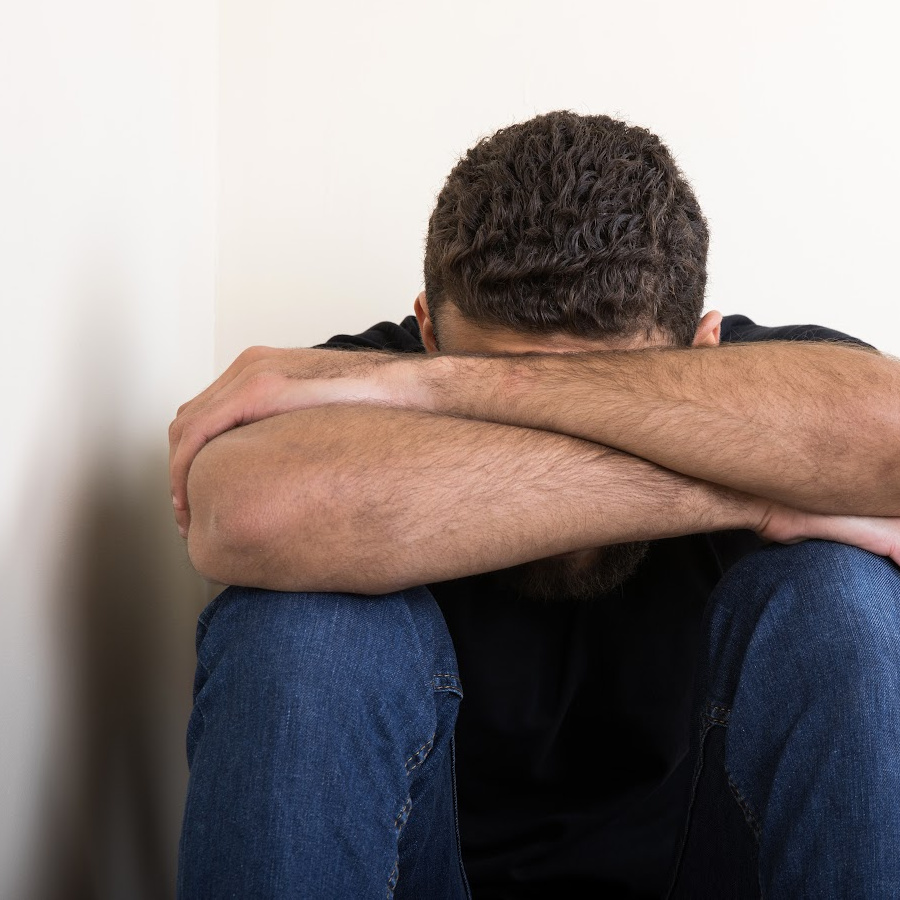
Subtle Signs of Depression in Men
- Increased Irritability and Anger: Uncharacteristic outbursts, short-tempered behavior, or persistent irritability can often be one of the first unique signs of depression in men.
- Physical Symptoms: Men may complain more about physical symptoms such as headaches, back pain, muscle aches, or other unexplained aches rather than traditional symptoms of depression.
- Escapist Behavior: An increased reliance on alcohol or drugs, or engaging in risky behaviors can be a form of self-medication or a way to escape feelings of hopelessness.
- Fatigue and Sleep Disturbances: Feeling excessively tired without a clear reason, or experiencing significant changes in sleep patterns—either insomnia or excessive sleeping—can be indicators of depression.
- Difficulty Concentrating: Men may exhibit signs of inability to focus, indecisiveness, or forgetfulness, which can affect their work performance and personal relationships.
- Loss of Interest: Losing interest in work, family, hobbies, or activities that were once enjoyed can be a significant sign of depression.
Effective Treatments for Depression in Men
When it comes to treating depression in men, it’s essential to consider therapies that address both the cognitive aspects of depression and its emotional impacts. Two effective treatment options are Cognitive Behavioral Therapy (CBT) and Eye Movement Desensitization and Reprocessing (EMDR).
- Cognitive Behavioral Therapy (CBT): CBT is a form of psychotherapy that helps individuals recognize and change negative thought patterns and behaviors that contribute to depressive feelings. For men, CBT can be particularly beneficial as it provides practical skills that can be applied to manage stress and reduce the symptoms of depression. It focuses on solving current problems and learning new ways of thinking that are less distorted by the negative biases depression creates.
- Eye Movement Desensitization and Reprocessing (EMDR): Initially developed for treating PTSD, EMDR has also been effective in treating depression, especially when linked to unresolved trauma and hidden depression symptoms males often miss. For men who may not initially be comfortable discussing their emotions or traumatic experiences openly, EMDR offers a non-traditional approach that doesn’t rely as heavily on verbal communication. The therapy Charlotte uses guided eye movements to help process and reduce the distress associated with painful memories that may be contributing to depressive symptoms.
Seeking Help in Charlotte, NC
Recognizing depression in men and encouraging them to seek help can be challenging due to cultural stereotypes about masculinity and emotional expression, especially when identifying subtle or hidden signs of depression in men. It’s important for men to understand that depression is a clinical condition that can affect anyone and that seeking help is a sign of strength, not weakness.
For men experiencing signs of depression, consulting with a mental health professional who can provide a diagnosis and appropriate treatment plan is crucial. Whether through CBT, EMDR, or a combination of therapies, the right treatment can lead to significant improvements in mental health and overall quality of life.
Noticing the less obvious signs of depression in men and providing access to effective treatments like CBT and EMDR therapy can be life-changing. It’s vital to continue raising awareness about male depression to break down the barriers to seeking help and to support men in their journey towards recovery.
How Therapy Charlotte can help recognize and address the hidden signs of depression in men – visit our website today!
Frequently Asked Questions
Q. What are signs of depression in men over 30?
A: Common signs of depression in men over 30 include irritability, fatigue, sleep issues, difficulty concentrating, and loss of interest in activities. These emotional and behavioral signs of depression are often overlooked or mistaken for stress or lifestyle changes.
Q. Why do men hide depression symptoms?
A: Men often hide depression due to social stigma, pressure to appear strong, and difficulty expressing emotions. These factors contribute to hidden depression symptoms males often miss, making it harder to recognize the condition and seek timely support or treatment.
Q. Can depression in men appear as anger or irritability?
A: Yes, depression in men can often appear as anger or irritability instead of sadness. These reactions are behavioral signs of depression in men and are frequently misunderstood as stress, frustration, or personality changes rather than indicators of underlying mental health issues.
Q. How do I build confidence with social anxiety?
A: Silent depression in men often includes withdrawal, fatigue, irritability, and loss of interest while appearing “fine” externally. These subtle or hidden signs of depression in men can go unnoticed, delaying diagnosis and proper treatment.
Q. What non-typical depression symptoms do men experience?
A: Men may experience non-typical depression symptoms like anger, irritability, risk-taking behavior, substance use, and physical pain instead of sadness. These are unique signs of depression in men that are often misunderstood, making diagnosis and timely support more challenging.